The Physical Climate Risk Experts
Since 2007

HOW CAN XDI HELP YOU?
We turn physical climate risk insights into actionable metrics
XDI quantifies the cost of extreme weather and climate change impacts to physical assets. Our analysis empowers decision makers and asset owners to strategically manage these impacts and identify opportunities for adaptation.
OUR SOLUTIONS
%20%5BConverted%5D.svg)
Screen for assets
most at risk
Start with a of relative material physical risk across multiple assetsto identify high risk assets for further analysis.

Asset-level
deep dive
Our in-depth analysis allows you of our outputs is traceable to the point of failure within individual assts, even across a portfolio of tens of thousands.

Meet reporting requirements
Our analysis has been developed to align with global reporting frameworks including TCFD, ISSB and EU Taxonomy.

Stress test for climate risk
Take the stress out of scenario analysis using XDI's whole-of-portfolio solutions.
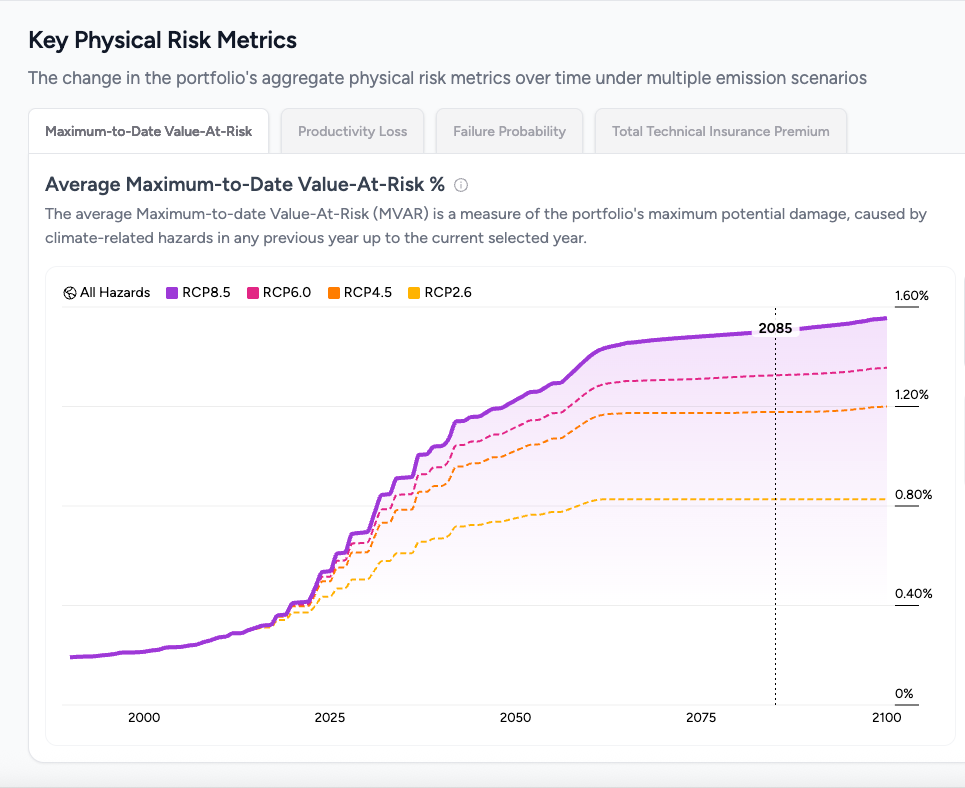
Our analytics aggregate asset-level analysis to portfolio level insights across a range of asset classes and scenarios including SSPs, RCPs and NGFS.

Engage clients on a pathway to resilience
Move beyond risk to resilience using XDI's data, insights and tools. Explore varied forward-looking projections under different assumptions and consider your opportunities for risk reduction and adaptation.

Data delivered the way you want
Access XDI's data and insights through a range of means to suit your needs. Tailor your analysis through the XDI Climate Risk Hub, Input XDI data directly into your own systems via API, or access our suite of off-the-shelf reports.
What is physical
climate risk?
XDI quantifies the cost of extreme weather and climate change impacts to physical assets. Our analysis empowers decision makers and asset owners to strategically manage these impacts and identify opportunities for adaptation.
Understand risk
Physical climate risks can impact operations, credit worthiness, cashflow, asset value, operating costs, markets and business confidence.
Create opportunity
Use physical climate risk analysis to inform future strategies, mitigate risk, and adapt to a changing world.

Our data has been tested by the demands of the global market since 2007

Adapt and thrive in a climate changing world

XDI Climate Risk Hub
On-demand, physical climate
risk analysis
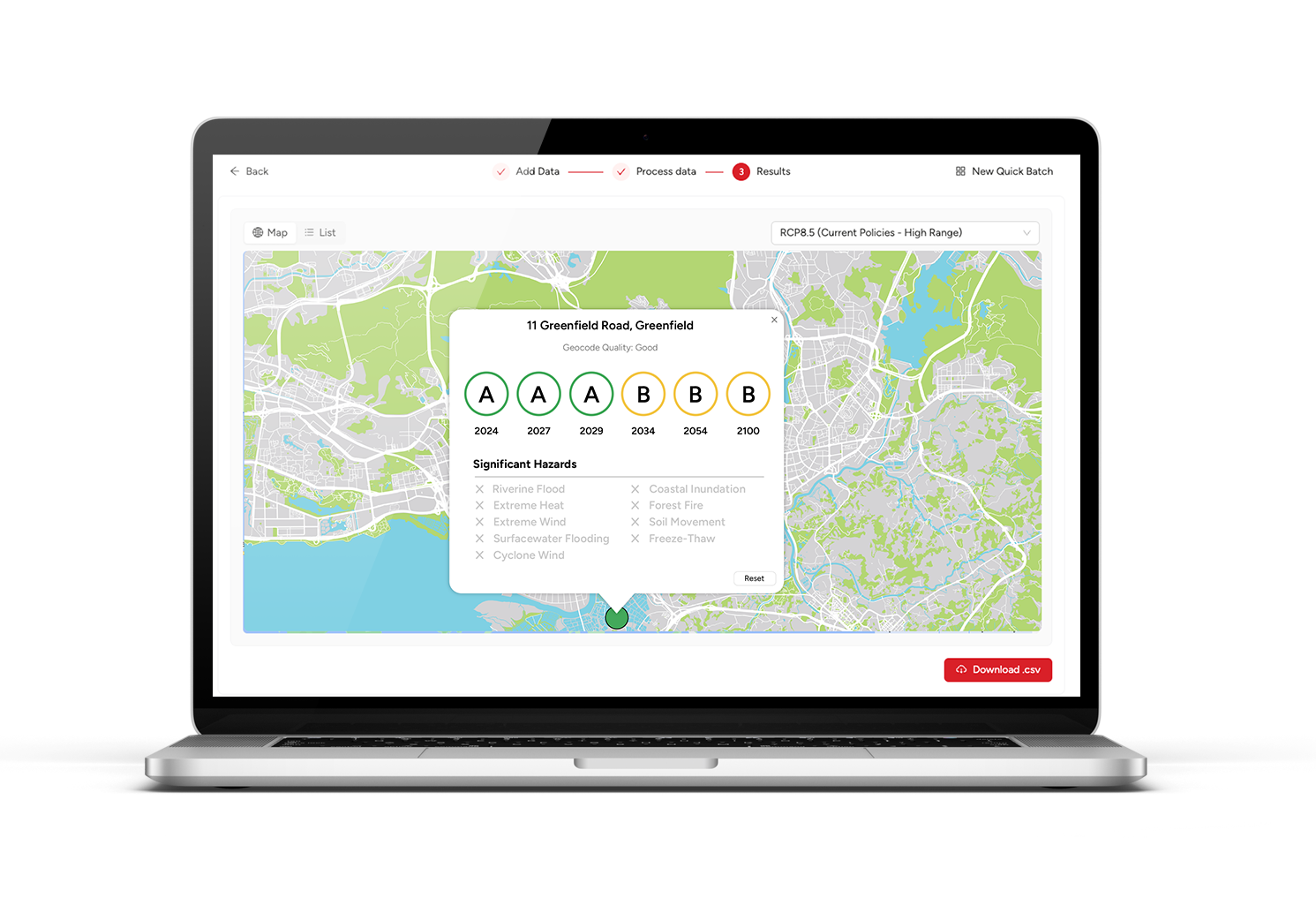
The XDI Climate Risk Hub offers world-leading physical climate risk analysis at the touch of a button. From screening a single asset, portfolios of tens of thousands of assets, to performing in-depth analysis for due diligence and adaptation planning, all in one highly secure ISO27001 compliant platform.
Who we service

Financial Services
Our experience with climate stress-testing and equity and debt portfolio analysis globally makes XDI a specialist in physical climate risk for the finance sector.

Government
Our solutions have been developed from many years' experience working with government to understand, manage and reduce physical climate risk.

Corporates
Physical climate risk is material for businesses in every sector of the economy. Extreme weather and changing environments are already causing loss, disruption and even insolvency.

Civil Society
We understand that data needs to be the hands of those who will use it to drive change. We provide discount or pro bono data to regulators and non-government organisations.
XDI data has been put to the test by the demands of the global market
Powered by the award-winning Climate Risk Engines, XDI brings together sub-asset level data with extensive climate, hazard and engineering data to empower organisations to quantify the physical impacts of climate change on their business operations and asset portfolios.


Our data has been road tested by some of the world’s largest financial institutions.
XDI is the largest data provider of physical climate risk analysis to the financial services industry.
As a leading provider of physical risk analysis to banks globally, we regularly work with clients on central bank mandated stress tests.
We’ve got the data: secure, compliant, safe, and current.

More than just a score, our results are specific, traceable and assurable.
Each of our outputs is traceable to the point of failure not only within individual assets, but also within their components, even across a portfolio of tens of thousands.

Our in-depth analysis allows clients to manage and reduce risk.
Our flexible systems give clients the option to explore varied forward-looking projections under different assumptions and consider their opportunities for risk reduction and adaptation at the asset or portfolio level.

Our standardised reports support internal briefings and external reporting.
Make the best decisions, with confidence, using XDI’s standard reports for sophisticated analysis in a simple format suitable for presentation to management and key stakeholders and aligned with CSRD, TCFD, EU Taxonomy, ISSB and SEC reporting requirements.
Not sure how to get started?
We’ve been around for a while - we can help!

Accelerate action on climate change by embedding physical climate risk data in all decisions

Featured use cases

Banking: Stress testing and scenario analysis

Corporates: Due diligence for a brownfield infrastructure project

Public data release: supply chain and sub sovereign risk