
All posts from
Karl Mallon

XDI launches Automated Resilience in the XDI Climate Risk Hub. Here's why it matters.
XDI launches Automated Resilience in the XDI Climate Risk Hub. Here's why it matters.
For large asset portfolios, the biggest climate risk isn’t always where adaptation can make the biggest difference. Identifying where resilience investment could reduce losses, protect value and deliver the greatest financial impact is key to prioritising limited adaptation capital.
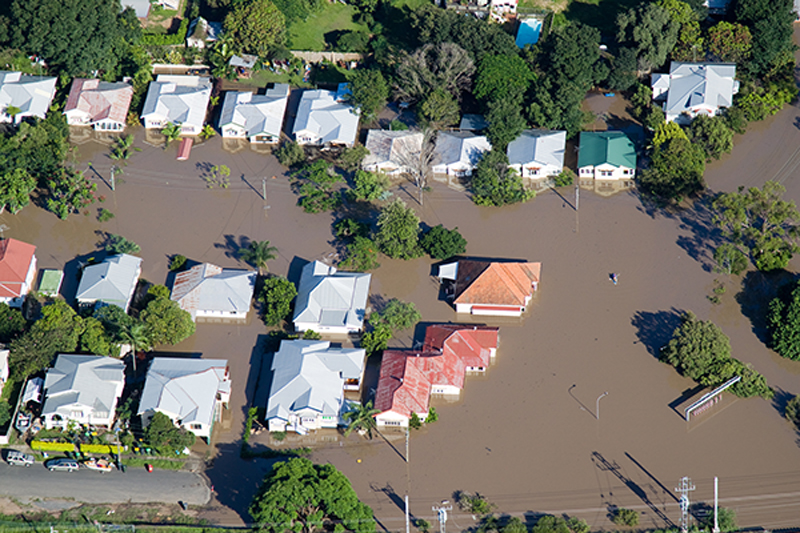
From Australian homes to commercial assets: the adaptation challenge
From Australian homes to commercial assets: the adaptation challenge
Australia’s climate adaptation challenge extends far beyond homes. Karl Mallon explores why businesses, governments and investors must move from simply measuring physical climate risk to identifying where resilience investment can materially reduce future losses and protect the assets and communities that matter most.
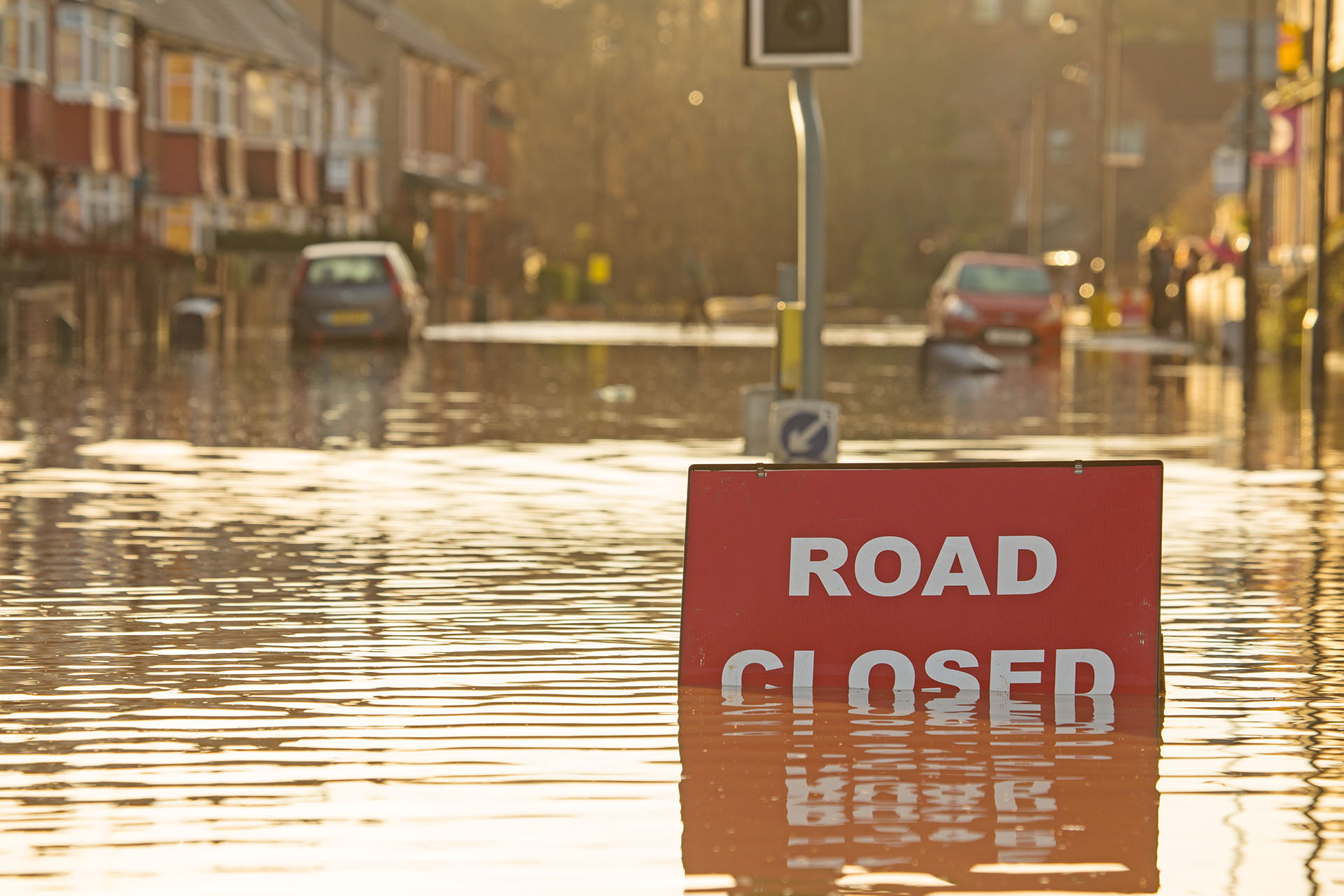
The Missing Metric: Why measuring climate risk is no longer enough
The Missing Metric: Why measuring climate risk is no longer enough
For the ResilienceArc platform, XDI has been exploring a simple idea: Can we apply the same scientific and engineering rigour used to quantify climate risk to the challenge of quantifying resilience?

Measuring resilience requires more than one perspective
Measuring resilience requires more than one perspective
To understand whether a company is resilient, we need to understand both the risks it faces and the actions it is taking in response. We need to know whether adaptation plans are relevant to the hazards that matter and will deliver material risk reduction. We need to understand whether investments in resilience are likely to reduce future damage and disruption to levels acceptable to investors and stakeholders. And we need a way to compare outcomes across companies, sectors and regions.
No single organisation can do that alone.

Is disclosure replacing action on climate risk?
Is disclosure replacing action on climate risk?
There is a quiet shift happening in climate risk analysis. For years, the focus was on getting organisations to recognise that physical climate risk exists. That battle has largely been won. Today, banks, insurers, asset managers and governments - even home buyers - all acknowledge that climate risk matters. But a new problem appears to be emerging: disclosure is replacing understanding and action.
