COP31 failure puts us on the path to climate ghettos

How inaction on emissions cuts and adaptation put high-risk communities in a downward spiral
By Dr Karl Mallon, Co-Founder and CEO, XDI (Cross Dependency Initiative)
We warned that rising climate risk could create climate ghettos. At XDI, part of The Climate Risk Group, we’ve long argued that fossil fuel use must end. Every increment of warming makes it harder to protect real people and their homes, businesses and the infrastructure they depend on. Yet COP31 ended without a new agreement on transitioning away from fossil fuels. What does that delay mean for the communities already exposed?
What is a climate ghetto?
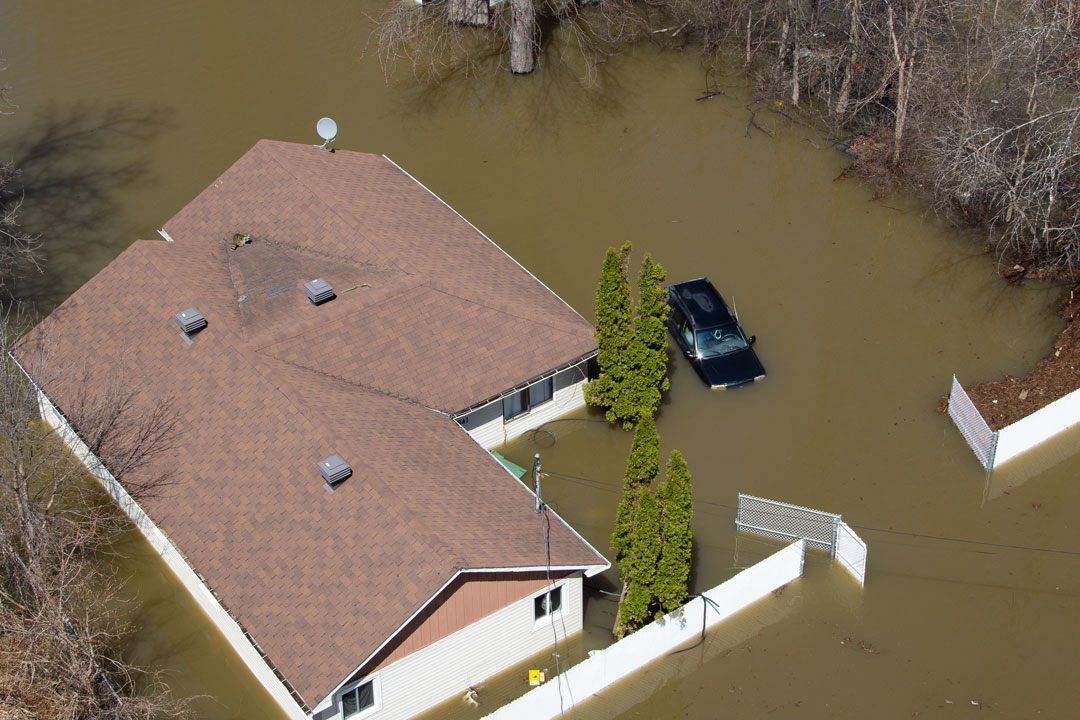
A climate ghetto can form when physical climate risk makes homes across a town or suburb increasingly difficult to insure, finance and sell. Here’s how they take hold: Insurance premiums rise in high risk areas and some households go without cover. Buyers who can’t insure a home are increasingly denied a mortgage. Fewer buyers put downward pressure on property values. Councils receive less revenue from rates and can’t afford risk to invest in adaptation. Rinse and repeat.
That’s when an insurance problem becomes a problem for lenders, planners and governments. And the people with the fewest options are left carrying the most risk.
How can adaptation help break the cycle?
We can already identify where those risks are concentrated, estimate what they could cost and test how adaptation measures could reduce them. Governments can use that evidence now to decide where to build, how to build and where to invest in protecting communities.
I’d remind governments that the people living with these decisions vote. They can also take governments to court. Shall we get to climate action the hard way?
Watch the presentation I gave at the Fifth Estate’s Nature First and Resilient Cities Summit.
Related posts

COP31 failure puts us on the path to climate ghettos
Should climate-risk intelligence be a public good? We may be asking the wrong question.
Why company level climate risk analysis needs more than a registered address: Lessons from Climate Week NYC

XDI launches Automated Resilience in the XDI Climate Risk Hub. Here's why it matters.
Contact us
Get in touch with one of our friendly team