Data centres being planned in areas vulnerable to extreme weather events

As Australia’s data centre sector expands rapidly to meet growing demand from AI and cloud computing, new XDI analysis featured by ABC News warns that physical climate risk must be central to where and how digital infrastructure is built.
XDI examined almost 2,600 planned data centres worldwide and found that 154 — around 6 per cent — are already vulnerable to physical damage or operational disruption from climate hazards. South-East Asia was identified as the most exposed region, while Australia ranked 22nd globally but faces one of the steepest projected increases in risk over time.
XDI Director of Science and Technology Karl Mallon told ABC that the data centre debate has focused heavily on energy and water use, but “physical climate risk is becoming an increasingly important consideration in its own right.” He said the key question is not simply where new digital infrastructure should be built, but whether those assets can remain “operational, insurable and economically resilient” over their lifetime.
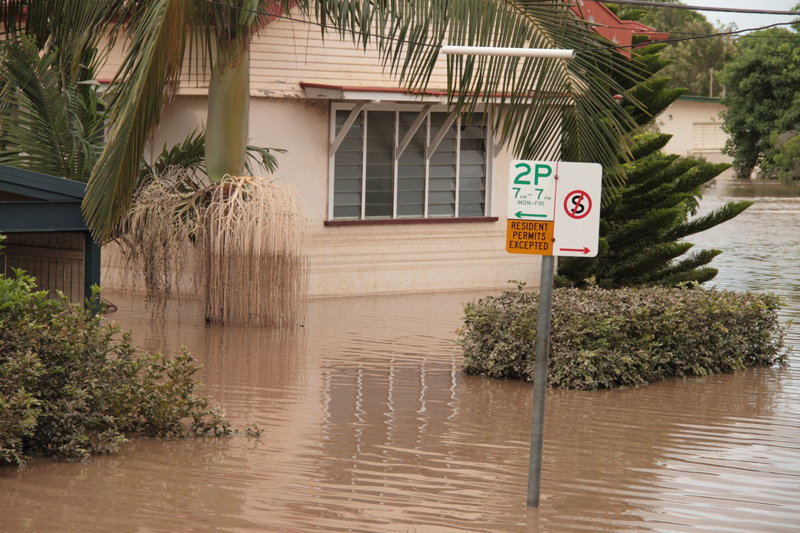
The analysis considered 11 hazards, including flooding, coastal inundation, bushfire, tropical cyclones and extreme heat. Mallon noted that rising temperatures create particular challenges for cooling systems, and warned that supporting infrastructure — including electricity supply, telecommunications and water for cooling — may be more vulnerable than the data centres themselves. As he put it: “Is the infrastructure that supports these data centres as resilient as the data centres themselves?”
Karl Mallon speaks to ABC News Australia after XDI's launch of 2026 Global Analysis of Planned Data Centres for Physical Climate Risk and Resilience - Key Findings Report.
Related posts

Data centres being planned in areas vulnerable to extreme weather events

XDI welcomes Marc Evans as Managing Director

XDI unlocks global asset analysis for HKMA Physical Risk Assessment Platform

Climate hazards projected to cause up to $744 billion in property damage by 2100: The Australian Government Productivity Commission Inquiry Report
Contact us
Get in touch with one of our friendly team