
All posts from
The XDI team
XDI and SumClimate partner to strengthen climate risk analysis and reporting
XDI and SumClimate partner to strengthen climate risk analysis and reporting
XDI and SumClimate have partnered to combine expertise in physical climate risk, emissions and transition analysis. The collaboration will help businesses meet AASB S2 reporting requirements, strengthen climate risk management and turn climate insights into practical decisions.

The Climate Risk Group appoints Ujala Qadir as Lead Consultant, the Resilience Commons project
The Climate Risk Group appoints Ujala Qadir as Lead Consultant, the Resilience Commons project
The Climate Risk Group welcomes Ujala Qadir, bringing 20 years of international experience in climate finance, adaptation and sustainable development. Working across XDI and the wider group, Ujala will help bridge the gap between physical climate risk intelligence and resilience investment.

XDI named ‘Best Sustainable Finance & Climate Solution’ in Regulation Asia Awards
XDI named ‘Best Sustainable Finance & Climate Solution’ in Regulation Asia Awards
XDI has been named Best Sustainable Finance & Climate Solution at the Regulation Asia Awards for Excellence 2026, marking its second international award in two weeks. The recognition highlights XDI’s expertise in making complex physical climate risk analysis accessible and actionable through the XDI Climate Risk Hub, supporting reporting, due diligence and resilience investment.
XDI wins Climate Data Provider of the Year at InsuranceERM awards
XDI wins Climate Data Provider of the Year at InsuranceERM awards
XDI has been named Climate Data Provider of the Year at the InsuranceERM Climate Risk & Sustainability Awards 2026, recognising its work in transforming complex climate science into actionable insights. The award highlights XDI's innovations in physical climate risk analysis, including Automated Resilience, company-level intelligence and tools that help organisations assess risk, inform investment decisions and build resilience.
XDI and Veridion unlock a new era of company climate risk analysis
XDI and Veridion unlock a new era of company climate risk analysis
XDI and Veridion are combining engineering-based physical climate risk models with AI-enabled company intelligence to deliver richer, more scalable company-level risk analysis. The partnership connects operational sites to corporate groups and adds detail on activity, scale and status, helping investors and lenders identify which companies and locations are driving physical climate risk.

XDI launches Automated Resilience to prioritise adaptation investment across entire portfolios
XDI launches Automated Resilience to prioritise adaptation investment across entire portfolios
XDI has launched Automated Resilience, a new XDI Climate Risk Hub capability that helps asset owners and investors identify where adaptation could deliver the greatest reduction in physical climate risk across large portfolios. By comparing potential risk reduction and financial value, it helps prioritise where deeper assessment and resilience investment may have the greatest impact.
ResilienceArc launches at London Climate Action Week – a new platform built by Arc, Earth Capital Nexus (LSE) and XDI
ResilienceArc launches at London Climate Action Week – a new platform built by Arc, Earth Capital Nexus (LSE) and XDI
Today, XDI joined partners Arc and Earth Capital Nexus at the London School of Economics and Political Science to launch ResilienceArc, a first-of-its-kind open tool that combines physical climate risk analysis, adaptation assessment and resilience benchmarking. It helps users understand where companies’ climate risks exist, make decisions to improve adaptation, and build long-term resilience.
XDI, Morningstar Sustainalytics and Veridion collaborate to deliver enhanced physical climate risk metrics
XDI, Morningstar Sustainalytics and Veridion collaborate to deliver enhanced physical climate risk metrics
Morningstar Sustainalytics, a leading provider of sustainable investing research, ratings, and data, today announced it is collaborating with XDI (Cross Dependency Initiative), physical climate risk specialists, and Veridion, an AI-powered business data platform to further develop its physical climate risk product for asset managers and asset owners. This development intends to address a key gap in existing climate risk tools by seeking to translate physical hazard exposure into financially relevant insights. While the industry has made progress in identifying which assets face exposure to floods, wildfires, heat stress and other climate hazards, converting that exposure into metrics that support real investment decisions remains an evolving challenge.
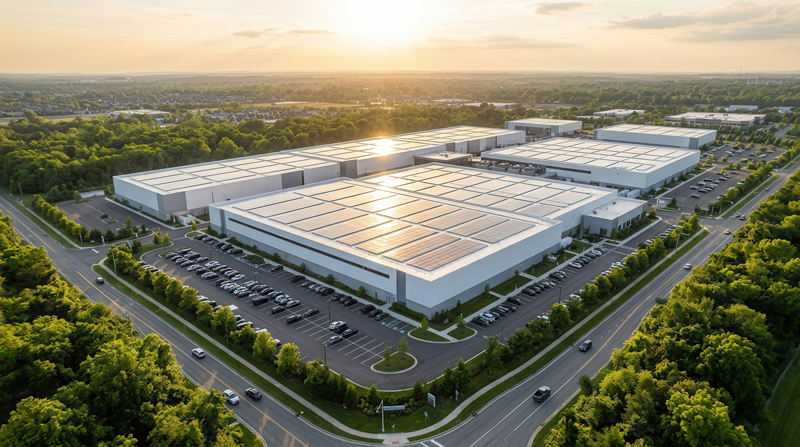
Billions flowing into AI infrastructure may be overlooking growing climate risks, XDI analysis finds
Billions flowing into AI infrastructure may be overlooking growing climate risks, XDI analysis finds
New XDI report identifies climate risk hotspots across the world's data centre investment boom.
Billions of dollars are flowing into the global AI infrastructure boom, but a new XDI analysis released ahead of London Climate Action Week warns some of the world's fastest-growing data centre investment hubs are also emerging as climate-risk hotspots. The 2026 XDI Global Analysis of Planned Data Centres for Physical Climate Risk and Resilience examined 2,595 planned data centres worldwide, identifying locations where either physical damage to the built infrastructure due to direct climate impacts, or operational disruption due to heat or indirect risks, could increasingly challenge long-term infrastructure performance, insurability and operational continuity.
2026 Global Analysis of Planned Data Centres for Physical Climate Risk and Resilience - Key Findings Report
2026 Global Analysis of Planned Data Centres for Physical Climate Risk and Resilience - Key Findings Report
Billions of dollars are flowing into the global AI infrastructure boom, but XDI’s new analysis released ahead of London Climate Action Week warns some of the world's fastest-growing data centre investment hubs are also emerging as climate-risk hotspots.
The 2026 Global Analysis of Planned Data Centres for Physical Climate Risk and Resilience examines 2,595 planned data centres worldwide, identifying locations where either physical damage to the built infrastructure due to direct climate impacts, or operational disruption due to heat or indirect risks, could increasingly challenge long-term infrastructure performance, insurability and operational continuity.

XDI welcomes Marc Evans as Managing Director
XDI welcomes Marc Evans as Managing Director
A message from our founder and CEO, Dr Karl Mallon on the recent appointment of Marc Evans as Managing Director.
This appointment allows Marc to lead our teams as we accelerate the integration of our cutting-edge physical climate risk analysis into a growing suite of highly accessible SaaS and API tools, while I double down on climate thought leadership, innovation and impact. Marc and I will be working from our London office through to the end of June, including several major launches with the UN, Arc and LSE in the run-up to London Climate Action Week.

XDI named a global leader in physical climate risk analysis by Forrester and Verdantix
XDI named a global leader in physical climate risk analysis by Forrester and Verdantix
XDI (Cross Dependency Initiative), a global provider of physical climate risk data and analysis, has been named market leader in two of the world’s most prestigious independent evaluations of climate risk analytics — the Forrester Wave™: Climate Risk Analytics Software and Verdantix’s Smart Innovators: Physical Climate Risk Solutions.
LA Fires Case Study
LA Fires Case Study
By the end of January 2025, wildfires in Los Angeles had destroyed or damaged over 18,000 structures, claimed at least 29 lives and forced approximately 200,000 residents to evacuate. Alarmingly, fewer than a quarter of damaged properties were insured against fire. The event is the costliest wildfire in U.S. history, impacting the insurance industry globally. In this case study XDI focused on comparing the results of its modelling with the real areas affected by the 2025 LA fires, and future forest fire risk in LA County and California more broadly under a high emissions scenario (RCP 8.5/SSP 5-8.5) in five-year intervals from 1990 until 2100.

Going to COP30? Come see a preview of ResilienceArc - A world-first breakthrough in corporate transparency for climate risk and adaptation
Going to COP30? Come see a preview of ResilienceArc - A world-first breakthrough in corporate transparency for climate risk and adaptation
Together with partners Climate Arc and Earth Capital Nexus at the London School of Economics (LSE), we’re providing a preview of ResilienceArc - a ground-breaking platform that helps investors see which companies are truly ready for a changing climate.
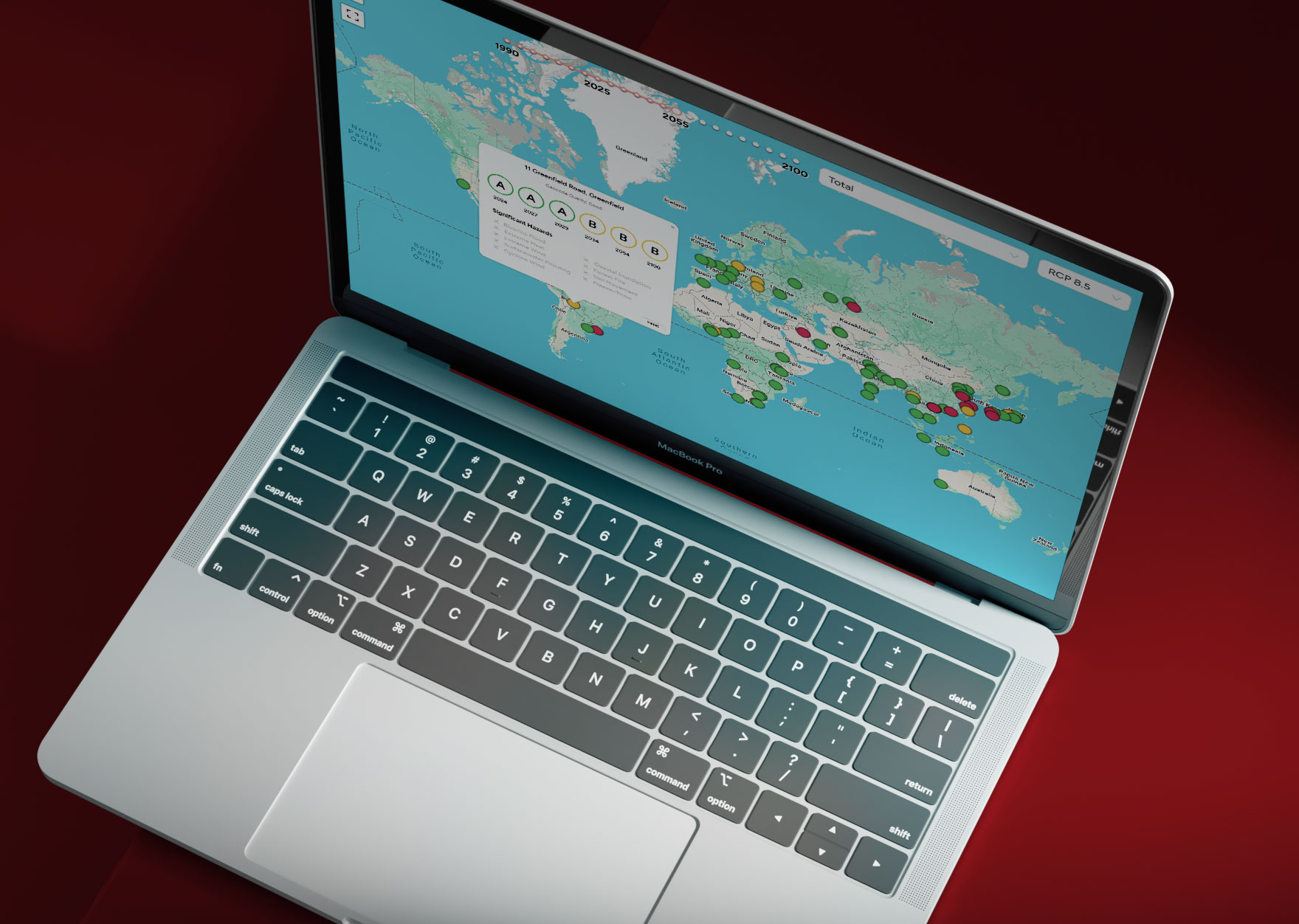
XDI unveils next-generation Climate Risk Hub: Where flexibility meets power
XDI unveils next-generation Climate Risk Hub: Where flexibility meets power
XDI today announced a next-generation upgrade to the XDI Climate Risk Hub, the platform trusted by governments, investors and companies around the world to turn complex climate data into decisions that matter.
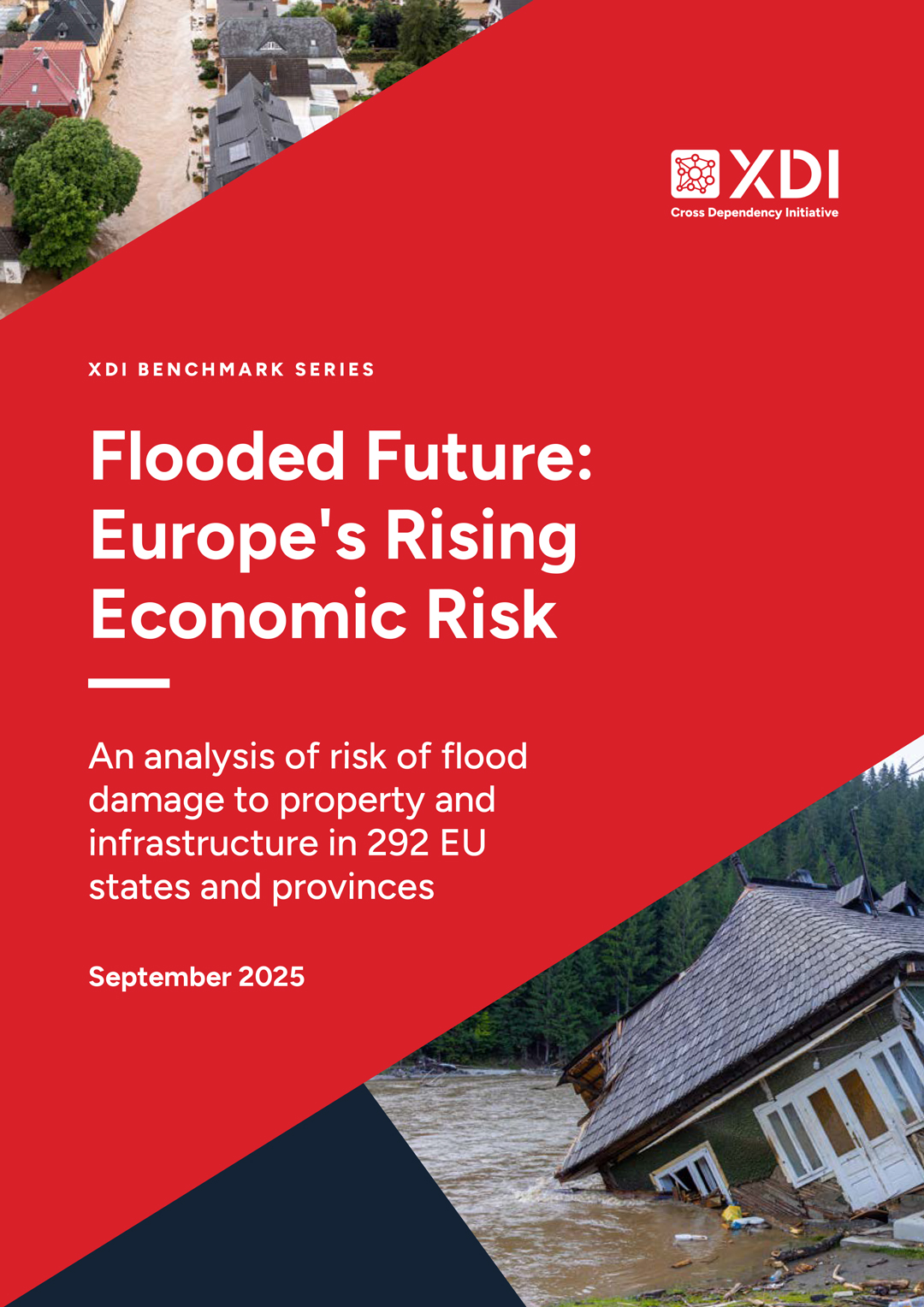
Flooded Future: Europe's Rising Economic Risk
Flooded Future: Europe's Rising Economic Risk
Europe’s financial and industrial engines are facing escalating risk of damage due to climate change extreme weather, with the risk of flood damage to property and infrastructure already estimated to be 30% worse due to climate and projected to double by 2100 under a high-emissions scenario, according to XDI's new benchmarking report.
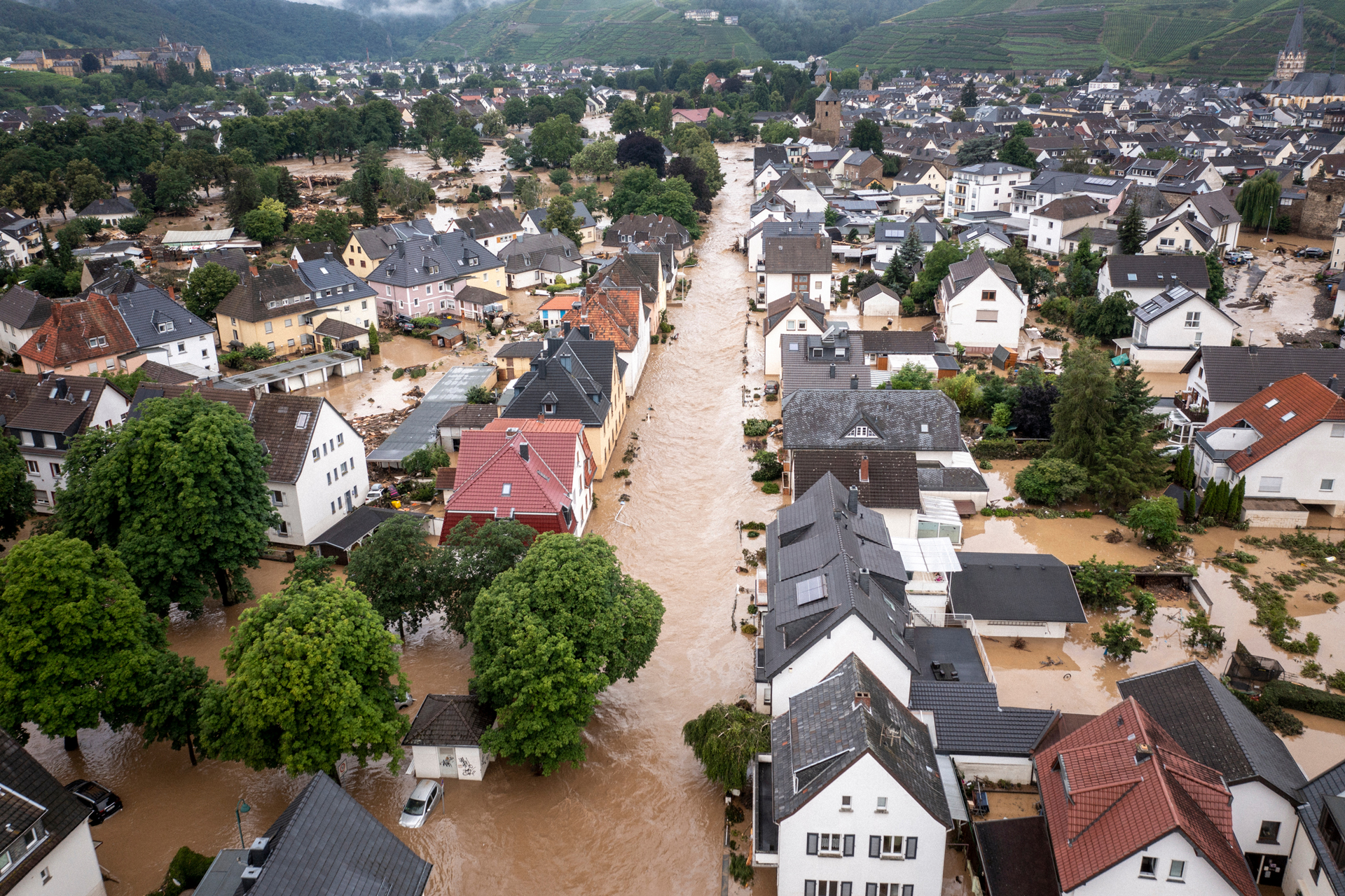
Europe’s economic hubs drowning in risk: XDI warns flood damage risk rising in Milan, Paris, Frankfurt and beyond
Europe’s economic hubs drowning in risk: XDI warns flood damage risk rising in Milan, Paris, Frankfurt and beyond
A new XDI benchmark report reveals systemic EU flood damage risk with ranking of every EU state and province. The analysis, Flooded Future: Europe’s Rising Economic Risk, ranks every EU country, state and province by modelled risk of flood damage to the built environment from riverine and surface water flooding. It highlights that many of the highest-risk areas are also Europe’s economic and supply chain hubs: Milan, Paris, Frankfurt, Warsaw, Rotterdam, Antwerp and Barcelona among them.

XDI identifies international airport infrastructure at increasing risk from climate extremes
XDI identifies international airport infrastructure at increasing risk from climate extremes
A major international airline has partnered with leading global physical climate risk analytics firm XDI (Cross Dependency Initiative) to assess the escalating threat that climate change extreme weather poses to airport infrastructure and operations worldwide. The findings underscore the need for climate resilience planning across global air transport systems.
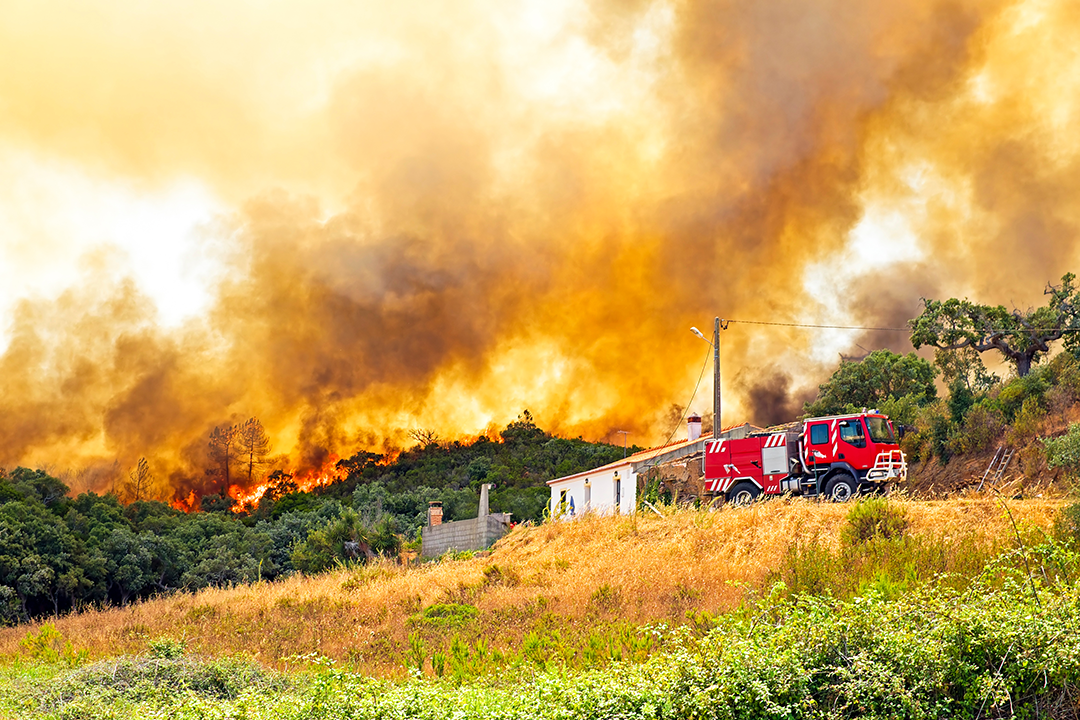
New XDI Benchmark Report warns of escalating forest fire damage risk across Europe
New XDI Benchmark Report warns of escalating forest fire damage risk across Europe
XDI is today releasing a short report sharing key takeaways from its comprehensive analysis of forest fire damage risk to every single state and province in Europe from 1990 to 2100.
The report pinpoints where Europe’s infrastructure is most vulnerable to damage from fire now and in the decades ahead, providing a clear picture of where investment in resilience will be most urgent.
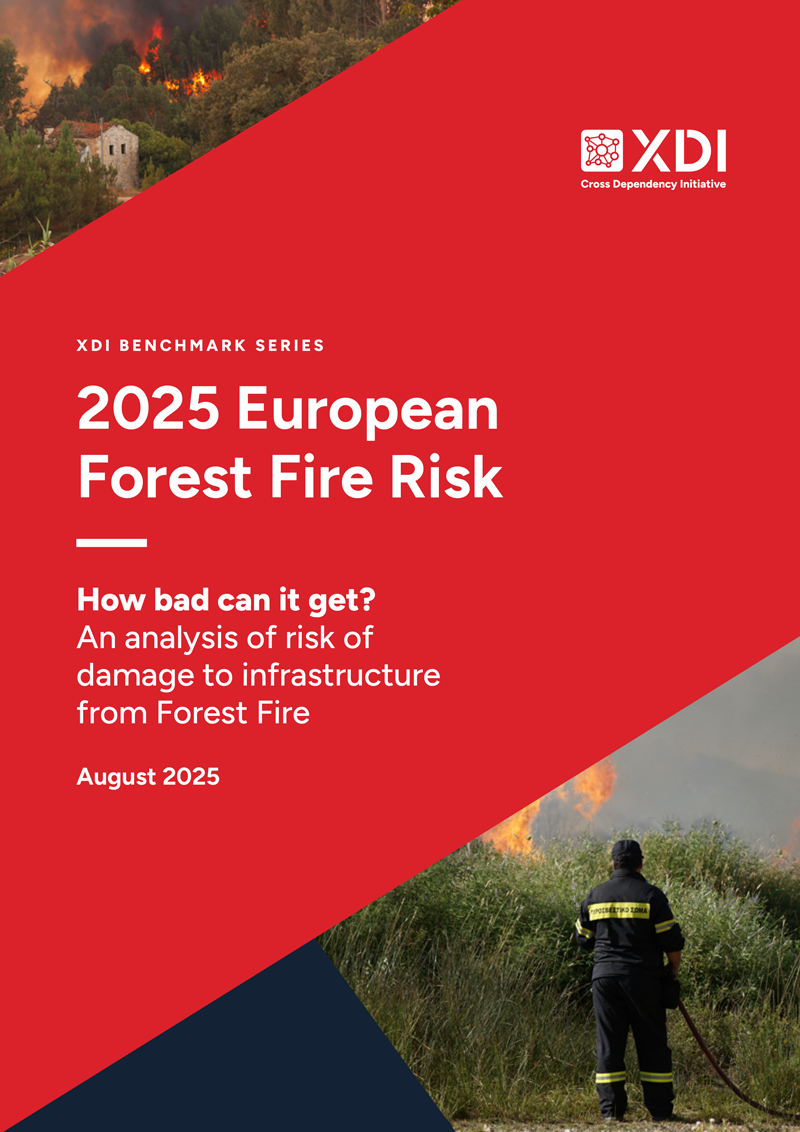
2025 European Forest Fire Risk - How bad can it get? An analysis of risk of damage to infrastructure from Forest Fire
2025 European Forest Fire Risk - How bad can it get? An analysis of risk of damage to infrastructure from Forest Fire
Forest fires are raging across parts of Europe including Spain, Portugal, Greece, Türkiye and the Balkans, fuelled by extreme heat, wind, and drought. Fires like these have burnt through more than 409,000 hectares in the EU so far this year - almost double the average recorded over the last 19 years. How much worse can it get? According to XDI’s analysis, a lot. XDI has analysed forest fire risk to every state and province in Europe, from 1990 to 2100. Read some of the highlights in our short report.

2025 Global Data Centre Physical Climate Risk and Adaptation Report
2025 Global Data Centre Physical Climate Risk and Adaptation Report
This report provides the most comprehensive picture yet of how climate hazards threaten the critical infrastructure that powers our digital economy. As demand for data centre capacity accelerates, understanding these risks is essential for building resilience into the backbone of modern life.

Global data centres face rising climate risks, XDI report warns Landmark analysis of nearly 9000 sites reveals escalating threat to digital infrastructure
Global data centres face rising climate risks, XDI report warns Landmark analysis of nearly 9000 sites reveals escalating threat to digital infrastructure
Datacentres—the critical infrastructure powering banking systems, cloud storage, emergency services, communications and logistics—are facing sharply rising risks from climate change-driven extreme weather, according to a major new report released today by XDI (Cross Dependency Initiative).

Measuring Corporate Resilience Whitepaper 2025
Measuring Corporate Resilience Whitepaper 2025
This white-paper proposes a breakthrough approach to adaptation reporting: the P-FIVE framework. The P-FIVE model focuses on what matters most — the performance outcomes of adaptation measures — enabling machine-readable, scalable reporting that can help companies demonstrate resilience and allows stakeholders to accurately assess and compare physical climate risk.

Tropical Cyclone Alfred could drive up insurance premiums in southern Queensland, experts warn
Tropical Cyclone Alfred could drive up insurance premiums in southern Queensland, experts warn
As Tropical Cyclone Alfred approaches landfall in southern Queensland, physical climate risk analysis company Climate Valuation (part of the Climate Risk Group) is raising concerns that homeowners in affected areas may face more costs than just repairing damage to property from flood, wind and coastal inundation. Insurance premiums could rise as well.

XDI Launches XDI Climate Risk Hub: A New Platform for On-Demand Physical Climate Risk Analysis
XDI Launches XDI Climate Risk Hub: A New Platform for On-Demand Physical Climate Risk Analysis
XDI is today launching the XDI Climate Risk Hub from New York Climate Week, an innovative platform that provides on-demand, physical climate risk analysis for financial institutions, companies, and governments worldwide.

2024 XDI Asia-Pacific Real Estate Investment Trust Physical Climate Risk Report
2024 XDI Asia-Pacific Real Estate Investment Trust Physical Climate Risk Report
The 2024 XDI APAC REIT Physical Climate Risk Report analyses 2,134 assets held by the 20 largest (by market capitalisation) REITs in Japan, Australia, Singapore and Hong Kong to provide a snapshot of climate change risks to global real estate investments. It also ranks these 20 REITs - who have a combined market capitalisation value of more than US$142 billion - according to their physical climate risk.

Why now is the time to embrace adaptation (and how you can get started)
Why now is the time to embrace adaptation (and how you can get started)
Prioritising climate adaptation is not just an environmental imperative but a strategic economic decision.

2024 XDI Gross Domestic Climate Risk Report
2024 XDI Gross Domestic Climate Risk Report
The XDI Gross Domestic Climate Risk dataset is a direct response to demand from investors for data on sub-sovereign and regional risk. The capability and results provide a new level of detail and sophistication in physical climate risk analysis that can be used to consider the effect of climate change extreme weather on sovereign, sub-sovereign and corporate debt, and builds on growing concern about these issues raised by the global finance sector.

XDI Hurricane and Tropical Cyclone Analysis
XDI Hurricane and Tropical Cyclone Analysis
New global analysis by XDI has identified regions around the world vulnerable to significant damage from tropical cyclones and hurricanes, as stronger winds fueled by climate change push further towards the poles into areas previously considered low risk.
